Astrology of Imbolc: Strangers, Radicals, and Snowdrops
Imbolc is a Celtic festival, traditionally celebrated as the first festival of spring. Depending on who you ask, Imbolc falls sometime around February 1st or 2nd.
It is commonly assumed that all of the festivals in the Wheel of the Year are connected with the movements of the sun, but Imbolc is one of the fire festivals. Its meaning doesn’t come from the sky. Rather, it marks an important moment in the agricultural cycle. It is the season when lambs are born, and it is from this new life that Imbolc has the right to claim to be the first of the three festivals of spring.
Imbolc may not be an astrological festival, but, because it falls consistently at the beginning of February, we can still find connections between the meaning of Imbolc and the astrological season.
Imbolc in Aquarius Country
Imbolc arrives when the sun is in the sign of Aquarius. Though midwinter technically falls in December and Capricorn season, Aquarius season feels like the depths of winter. Rationally, we know that winter is waning, and spring is just around the corner, but it’s still cold. The light and warmth haven’t actually reached us yet.
Aquarius sees what it sees and refuses to bow to consensus when the group has become unmoored from reality. When the sun is in Aquarius, we are connecting with the part of us that refuses to go along with the program.
At Imbolc, the Winter King may be fading, but he isn’t dead yet. Aquarius the Rebel refuses to bow to the King of Summer until he’s actually arrived.
Aquarius the Genius
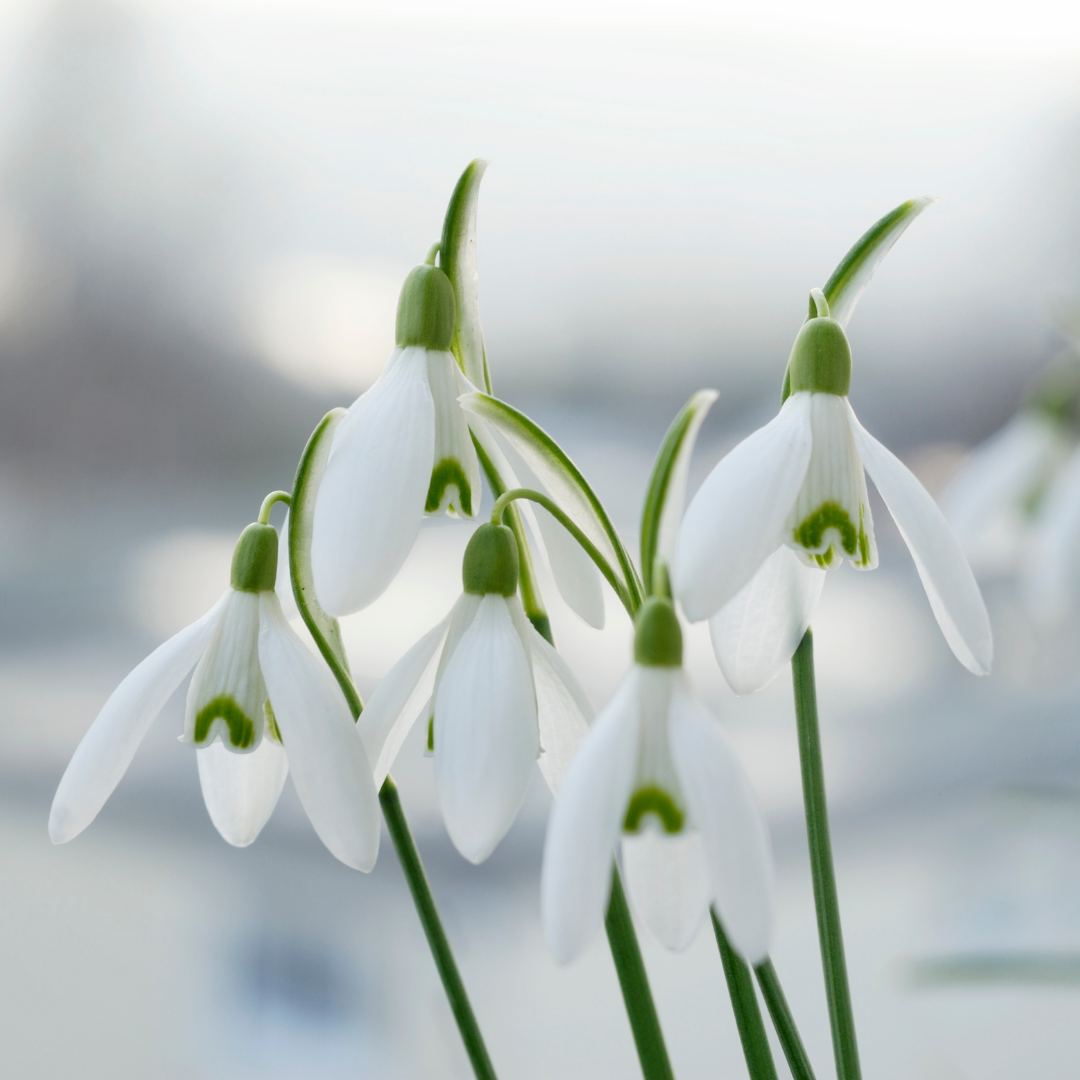
Ironically, it is Aquarius’s refusal to see what isn’t there that allows it to see the true first signs of spring: young lambs and snowdrop blossoms. Seeing white flowers against a background of snow requires subtlety bordering on genius. Imbolc is a festival of hope, but real hope is only possible when one refuses to accept false promises.
Aquarius’s stubbornness may seem pedantic, but it is just the other side of its fixity and dependability. Aquarius is the sign of the water bearer. Even though Aquarius isn’t a water sign–and is, actually, famous for its ability to put emotions aside–its determined grip on reality channels emotion like a river running through a deep, rocky canyon.
The frustration of February with a winter that never seems to end is necessary fuel. It’s cold outside, but there’s work to be done. We no longer have the luxury of staying inside and living off our winter stores like we did in Capricorn season.
Aquarius gives the farmer the will to get up in the middle of the night and go out into the snow for the birthing of lambs. It gives rebels the backbone to fight against the system. It gives genius the will to pursue a goal no one else can understand.
The Flight of the Exiles: The 6 of Swords, Imbolc, and the 2nd Decan of Aquarius
When the ancient Egyptians looked up at the sky, they didn’t see signs or planets. They saw stars. They divided the sky into 36 pieces, associating each section of sky with a star. These sections came to be called decans. In modern astrology, every zodiac sign has three decans. In modern magical practice, each decan is associated with a tarot card.
Imbolc falls in the second decan of Aquarius, and the tarot card associated with the second decan of Aquarius is the 6 of Swords. The 6 of Swords shows a veiled adult and child riding in a boat filled with swords. The boat is pushed through the water by a man with a pole. Where is the boat going? We cannot see the distant shore. We only have the suggestion of defeat in the 5 of Swords to guide us to the conclusion that, for this boat, the journey is less about the destination and more about escaping a troubled homeland.
This card suits Aquarius because Aquarius is the sign of the Exile. The sun is an exile when it is in Aquarius because it is as far from its home sign of Leo as it can possibly be.
When the sun is in Leo, it is known. Leo is the holy child, treasured and blessed. In Aquarius, individuality dissolves into the anonymous faces of the crowd. The individual may find support from the community, but it is the support an individual fish receives in a school of mackerel. The crowd is just a place to hide.
The Stranger is a Goddess in Disguise
In Ireland, Imbolc is celebrated in honor of Brigid who travels from house to house. It is traditional to enact a ritual of welcome. Members of the community adopt the role of Brigid, and householders welcome her into the home for a feast.
Historically, travelers needing food and lodging in February were a real test of hospitality. Agricultural communities who relied on the food they could raise locally had meager stores after a barren winter, unless luck and thorough preparation prevented it.
The festival of Imbolc was a reminder that hospitality is sacred to the gods. Exiles and strangers are under the gods’ protection, and Brigid is one of many gods who wander the land, testing hospitality.
Imbolc, Aquarius, and You
At Imbolc, you may find yourself the host or the stranger, the genius or the exile.
To find more about where the themes of Imbolc and Aquarius want to play out in your life, look for the area of your natal chart that contains 10-20° of Aquarius. This is the place where you are being challenged to trust your own vision and keep an eye out for the hidden signs of spring.
This essay was originally published in The Living Hearth.
Related Articles